Selank and Semax: The Russian Nootropic Peptides Research Guide
Selank and Semax are two synthetic peptides from the Russian Academy of Sciences that anchor a large share of modern nootropic research. This guide covers their mechanisms, BDNF and NGF findings, how they compare, and what defines laboratory-grade material.
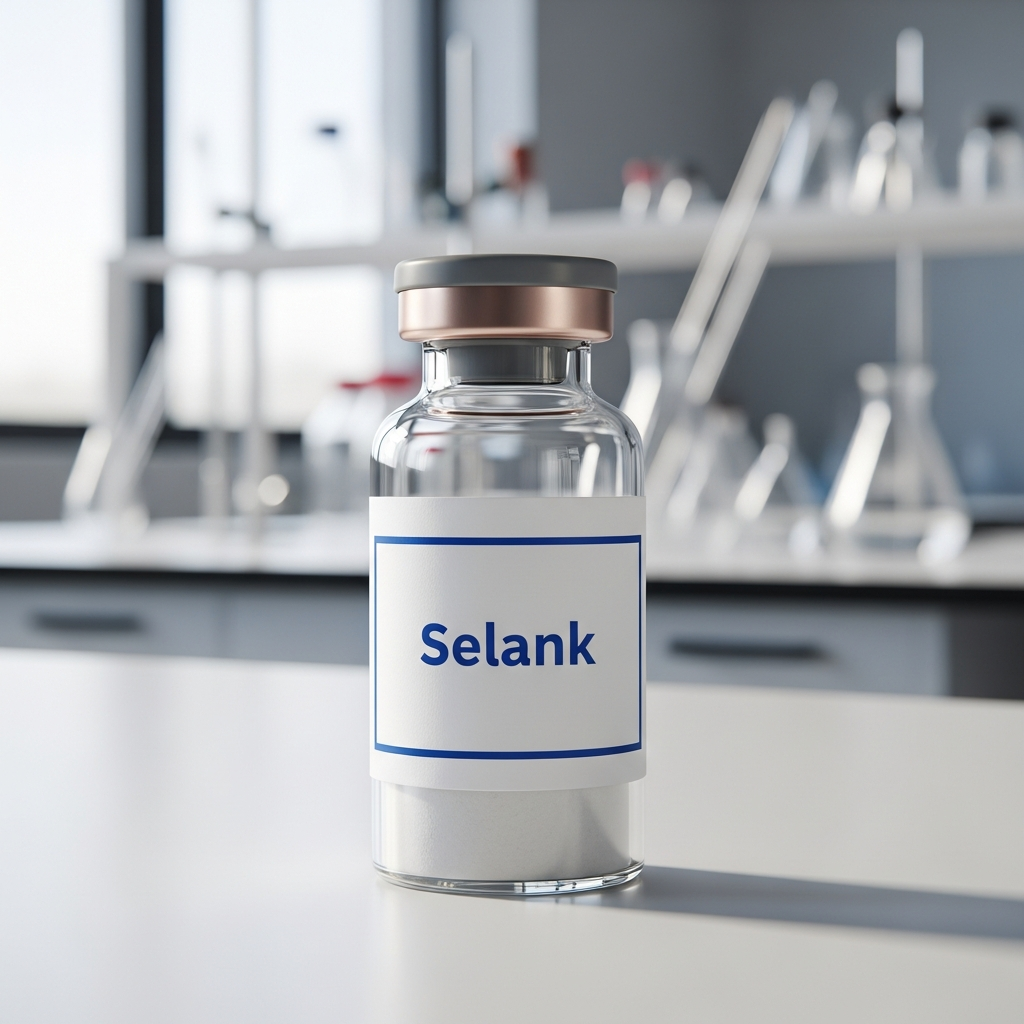
Disclaimer: This article is for educational and informational purposes only. It does not constitute medical advice. All products referenced are intended for research and laboratory use only and are not approved for human consumption.
Few research compounds carry the institutional pedigree of Selank and Semax. Both were synthesized at the Institute of Molecular Genetics of the Russian Academy of Sciences, both descend from naturally occurring regulatory peptides, and both have generated decades of preclinical and clinical literature that most nootropic compounds never accumulate. Selank is studied primarily for its anxiolytic profile, Semax for cognition and neuroprotection, and the two are frequently investigated side by side. This guide breaks down what each peptide is, the mechanisms researchers are mapping, how they differ, and what separates laboratory-grade material from the rest. Everything here is framed for research and laboratory use only.
Key Takeaways
- Selank is a synthetic heptapeptide (Thr-Lys-Pro-Arg-Pro-Gly-Pro) derived from the immune-regulatory tetrapeptide tuftsin, studied as a peptide anxiolytic that modulates GABAergic tone without sedation in research models.
- Semax is a synthetic heptapeptide (Met-Glu-His-Phe-Pro-Gly-Pro) based on the ACTH(4-10) fragment, engineered to keep cognitive and neuroprotective activity while removing the parent hormone's steroidogenic effect.
- Both peptides upregulate BDNF; Semax additionally raises NGF, a dual neurotrophic signature that is uncommon among nootropic compounds in published studies.
- Plasma half-life for both is short (roughly 2 to 5 minutes), yet downstream neurotrophic and enkephalinase-related effects persist for 12 to 24 hours in research observations.
- Selank carries CAS 129954-34-3 (MW ~751.9 g/mol); Semax carries CAS 80714-61-0 (MW ~813.9 g/mol), with an N-acetyl amidate variant under CAS 2920938-90-3.
- For laboratory work, purity above 99% with a batch-specific HPLC certificate of analysis is the baseline standard.
What Selank and Semax Are
Selank and Semax are short synthetic peptides, each seven amino acids long, designed to mimic and stabilize the activity of endogenous regulatory molecules. The shared design problem they solve is the same one that limits most native peptides: the body breaks them down within minutes. By adding a Pro-Gly-Pro terminal sequence, Russian researchers slowed enzymatic degradation enough to make these molecules viable for study.
Selank is an analog of tuftsin, a tetrapeptide fragment of the immunoglobulin heavy chain that influences immune signaling and behavior. Its full sequence is Thr-Lys-Pro-Arg-Pro-Gly-Pro. Semax is an analog of adrenocorticotropic hormone, specifically the ACTH(4-10) fragment, trimmed and extended to Met-Glu-His-Phe-Pro-Gly-Pro. A critical point in the Semax literature is that the melanocortin core was retained for its central nervous system activity while the hormonal, steroid-stimulating portion of ACTH was engineered out. That separation is what made Semax interesting as a neuroactive research tool rather than a hormone analog.
Why Researchers Are Interested: Selank and the Anxiolytic Question
The defining research angle for Selank is anxiolytic activity without the liabilities of classical sedatives. In animal models and early clinical investigations of generalized anxiety and neurasthenia, Selank has been reported to reduce anxiety-related behavior while modulating the balance between excitatory and inhibitory neurotransmission. The proposed mechanism centers on the GABAergic system, with additional effects on monoamine turnover and enkephalin metabolism.
What draws sustained attention is the absence of the sedation, dependence, and withdrawal profile associated with benzodiazepine-class compounds in the same models. Selank appears to dampen hyperactivation of the stress-response system rather than broadly suppress central nervous system activity. Researchers have also documented BDNF upregulation, including work showing Selank protecting against ethanol-induced memory impairment by regulating BDNF content in the hippocampus and prefrontal cortex of rats. That neurotrophic involvement positions Selank as more than a simple calming agent in the literature.
Why Researchers Are Interested: Semax and Neuroplasticity
Semax is the cognition and neuroprotection workhorse. The most cited finding is its effect on neurotrophins: a single application of Semax produced a measurable increase in BDNF protein and trkB phosphorylation in the rat hippocampus, along with multi-fold increases in BDNF and trkB mRNA. Semax also raises nerve growth factor (NGF), and this simultaneous BDNF-plus-NGF upregulation is what sets it apart from most single-pathway nootropic candidates.
Beyond neurotrophic signaling, Semax has been studied extensively in cerebral ischemia models. Brain protein expression profiling has confirmed a protective effect of the ACTH(4-7)-PGP peptide in rat models of cerebral ischemia-reperfusion. In its country of origin, Semax has a long regulatory and clinical history for stroke recovery and cognitive disorders, which gives the molecule an unusually deep real-world dataset compared to compounds that exist only in animal studies. It has not undergone Western regulatory evaluation, so all use outside that context remains strictly investigational.
How Selank and Semax Compare
The cleanest way to frame these two peptides is by primary research axis: Selank for the anxiety and stress-response axis, Semax for the focus, memory, and neuroprotection axis. They are studied together precisely because their profiles are complementary rather than redundant.
| Property | Selank | Semax |
|---|---|---|
| Parent molecule | Tuftsin (immune tetrapeptide) | ACTH(4-10) fragment |
| Sequence | Thr-Lys-Pro-Arg-Pro-Gly-Pro | Met-Glu-His-Phe-Pro-Gly-Pro |
| Molecular weight | ~751.9 g/mol | ~813.9 g/mol |
| CAS number | 129954-34-3 | 80714-61-0 |
| Primary research focus | Anxiolytic, stress modulation | Cognition, neuroprotection |
| Key neurotrophic effect | BDNF upregulation | BDNF and NGF upregulation |
| Plasma half-life | ~2 to 5 minutes | ~2 to 5 minutes |
If your work centers on stress, you may also find the Epitalon longevity research guide useful for adjacent regulatory-peptide context. For broader cognitive-stack literature, the CJC-1295 and Ipamorelin stack guide covers how researchers design multi-peptide investigations.
Variants and the N-Acetyl Question
A recurring topic in the Semax literature is the modified variant, N-acetyl Semax amidate (CAS 2920938-90-3, MW ~855 g/mol). The acetylation and amidation are intended to further slow enzymatic breakdown and improve stability relative to base Semax. Researchers comparing the two should note that the modified form is a distinct chemical entity with its own degradation kinetics, so data from one variant does not transfer cleanly to the other. When sourcing, the exact form and its CAS identifier should be confirmed against the certificate of analysis rather than assumed from a product name alone.
What to Look For in Quality
Peptide research is only as reliable as the input material, and short peptides like these are easy to misrepresent. The non-negotiable standard is a batch-specific certificate of analysis (COA) showing identity and purity by HPLC, ideally with mass-spectrometry confirmation of the correct molecular weight. Purity above 99% is the working baseline; anything materially below introduces uncharacterized impurities that confound results.
Three checks separate credible material from the rest. First, the COA batch number must match the vial in hand, not a generic certificate reused across lots. Second, the reported mass should align with the published molecular weight for the specific compound and variant. Third, the supplier should be transparent about third-party testing rather than self-reported figures. For a full walkthrough, see how to verify research peptide purity and read a COA and the companion piece on research peptide scam red flags. Lyze Labs publishes per-batch HPLC COAs and holds purity above 99% across its catalog, including research-grade Selank.
Reconstitution and Storage Notes
In research settings, both peptides are supplied as a lyophilized powder and reconstituted with bacteriostatic water. The handling principles are the same as for other fragile peptides. Direct the diluent stream down the vial wall rather than onto the powder cake, and swirl gently to dissolve. Never shake, because the hydrogen bonds that hold peptide structure are easily disrupted by vigorous agitation.
For storage, the lyophilized form is kept frozen, typically near minus 20 degrees Celsius, and protected from light and moisture. Once reconstituted, solutions are refrigerated at 2 to 8 degrees Celsius and freeze-thaw cycles are avoided. Reconstituted material under a bacteriostatic preservative is generally treated as stable for a limited window before a fresh vial is prepared. Our standalone guides on how to reconstitute research peptides and peptide storage and stability cover the full protocol that applies to both Selank and Semax.
Sourcing Selank and Semax
Global demand for nootropic and regulatory peptides has surged alongside the broader peptide research wave, and batch availability tightens accordingly. Lyze Labs ships pharmaceutical-grade, third-party HPLC-tested material worldwide with free, discreet shipping and typical delivery in 7 to 14 days. The catalog is trusted by more than 12,000 researchers across 50-plus countries, with verified reviews and a COA available for every batch.
Ordering is straightforward. WhatsApp is the preferred and fastest channel, and Lyze Labs also accepts Visa, Mastercard, UPI, PayPal, CashApp, bank and wire transfer, and crypto including BTC, USDT, and ETH. Securing the current batch locks in present pricing before the next restock cycle.
Frequently Asked Questions
What is the difference between Selank and Semax?
Selank is a tuftsin analog studied primarily for anxiolytic and stress-modulating effects, while Semax is an ACTH(4-10) analog studied for cognition and neuroprotection. Selank upregulates BDNF, whereas Semax raises both BDNF and NGF in research models. They are often investigated together because their profiles are complementary, calm on one axis and cognitive support on the other.
Why are Selank and Semax called Russian nootropics?
Both peptides were developed at the Institute of Molecular Genetics of the Russian Academy of Sciences, and Semax has a long clinical history in Russia for stroke and cognitive applications. The "Russian nootropic" label reflects this origin and the unusually deep body of regional research literature, which exceeds what most newer research peptides have accumulated.
How do Selank and Semax affect BDNF?
In published studies, Selank increases BDNF expression in regions including the hippocampus and prefrontal cortex, supporting neuronal survival and synaptic plasticity. Semax produces a rapid rise in BDNF protein and trkB signaling and also elevates NGF, a dual neurotrophic effect that is relatively uncommon among nootropic compounds. These mechanisms are documented in animal models and are studied strictly for research purposes.
What purity should research-grade Selank and Semax have?
The working standard is purity above 99%, confirmed by a batch-specific HPLC certificate of analysis, ideally with mass-spectrometry verification of the correct molecular weight. The COA batch number should match the vial, and the supplier should rely on third-party testing rather than self-reported numbers. Lower or unverified purity introduces uncharacterized impurities that compromise experimental reliability.
How are Selank and Semax stored in a research setting?
The lyophilized powder is kept frozen, typically near minus 20 degrees Celsius, away from light and moisture. After reconstitution with bacteriostatic water, solutions are refrigerated at 2 to 8 degrees Celsius and freeze-thaw cycles are avoided. Reconstituted material is treated as stable for a limited window before a fresh vial is prepared.
Are Selank and Semax approved for human use?
No. Both peptides are sold and discussed here strictly for laboratory and research use only. Semax holds regional regulatory status in its country of origin but has not undergone Western regulatory evaluation, and Selank likewise remains investigational outside that context. Nothing in this guide constitutes medical advice or a human-use protocol.
Secure Current-Batch Selank
Selank and Semax represent two of the most thoroughly studied regulatory peptides available to researchers today, and laboratory-grade material is the foundation of reproducible work. To order HPLC-tested, COA-backed Selank with free worldwide shipping, message Lyze Labs on WhatsApp for the fastest response, or use any major card, PayPal, CashApp, bank transfer, or crypto. Current batch pricing is locked while stock lasts.
Related Research Guides
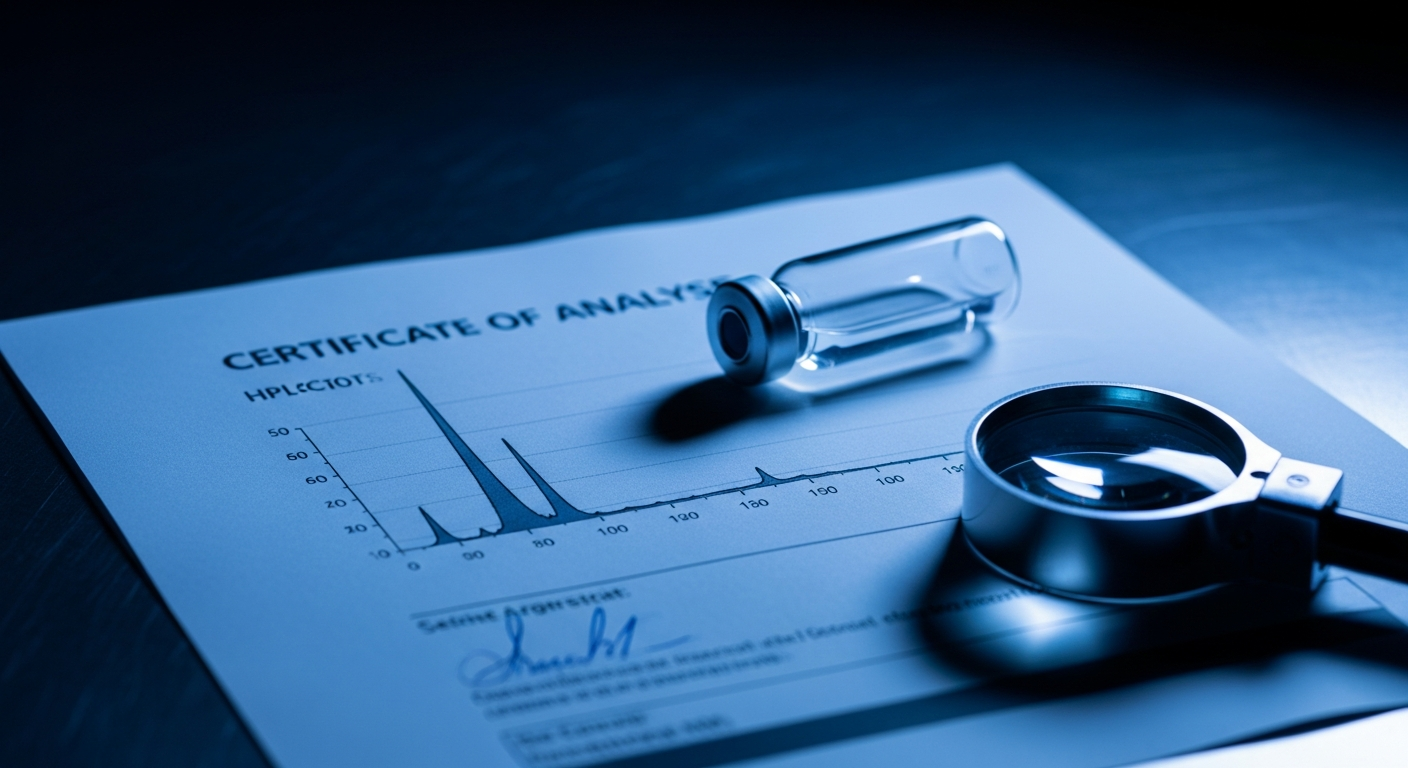
How to Choose a Research Peptide Supplier: The 2026 Verification Checklist
A practical 2026 framework for choosing a research peptide supplier: lot-matched HPLC COAs, mass-spec identity, batch transparency, and the verification steps that separate a legit peptide source from a forged one.
Best Peptides for Weight Loss 2026: A Research Guide
A 2026 research roundup of the best weight loss peptides, comparing Retatrutide, Tirzepatide, Semaglutide, Cagrilintide and AOD-9604 by mechanism, study findings and purity standards for laboratory work.
Best Peptides for Muscle Growth: A 2026 Research Guide
A research-focused roundup of the most studied muscle-growth peptides, from IGF-1 LR3 and PEG-MGF to the BPC-157/TB-500 blend and CJC-1295/Ipamorelin, with a side-by-side comparison table and sourcing guidance.