BPC-157: The Research Peptide Every Recovery Lab Has on the Shelf
Fifteen amino acids, originally isolated from human gastric juice, and the single most reached-for peptide in tissue repair research. This is BPC-157 done properly.
Disclaimer: This article is for educational and informational purposes only. It does not constitute medical advice. All products referenced are intended for research and laboratory use only and are not approved for human consumption.
If you opened the freezer of any serious tissue repair lab, you would find BPC-157 somewhere on the shelf. It has been there for fifteen years. It will probably be there for fifteen more. The reason is that nothing else in the research peptide catalog has quite the same combination of accessibility, literature depth, and cross-tissue relevance.
This is the guide for the researcher who wants to actually understand what BPC-157 is, what it does in research models, what the mechanism looks like under the hood, and how to source it without ending up with a vial of saline and a fake COA.
What BPC-157 actually is
BPC-157 stands for Body Protection Compound 157. It is a synthetic pentadecapeptide, meaning fifteen amino acids in a specific sequence, originally derived from a larger protein isolated from human gastric juice. The full sequence is Gly-Glu-Pro-Pro-Pro-Gly-Lys-Pro-Ala-Asp-Asp-Ala-Gly-Leu-Val. Molecular weight is 1419.5 Da.
It was first described in the late 1990s by a team in Croatia studying gastroprotective peptides. What caught the attention of the broader research community was that the protective effects were not limited to the stomach. Across dozens of early animal studies, BPC-157 showed activity in tendon, ligament, muscle, nerve, bone, and vascular tissue models. That breadth is the reason it became a staple in recovery research.
Browse LyzeLabs BPC-157 for research-grade material with a per-batch Janoshik COA.
Mechanism in plain language
BPC-157 does not act on a single dedicated receptor the way GLP-1 agonists do. It acts on several overlapping systems that, taken together, produce the tissue-supportive effects observed in research models. The mechanism story goes like this.
Angiogenesis and VEGF pathway
The most consistently documented mechanism is BPC-157's effect on blood vessel formation. In wound models, treated tissues show accelerated capillary ingrowth and upregulation of vascular endothelial growth factor (VEGF) signaling. More blood vessels reaching a damaged site means more oxygen, more nutrients, and faster clearance of damaged cells, all of which accelerate the repair process at the tissue level.
Nitric oxide modulation
BPC-157 appears to modulate nitric oxide (NO) release in a context-dependent way, meaning it increases NO signaling where it is needed for tissue perfusion and normalizes it in states of systemic stress. Nitric oxide is a central regulator of vascular tone and inflammation, which is why modulation of this pathway shows up in so many of the reported effects.
Growth hormone receptor upregulation
Research models treated with BPC-157 show increased expression of growth hormone receptors in connective tissue, particularly tendon. This is one of the more interesting findings because it suggests BPC-157 does not only act directly. It also makes tissues more responsive to circulating growth factors that they would have been exposed to anyway.
Gut-brain axis interaction
Because BPC-157 originates in gastric juice, its effects on gut integrity and on gut-derived signaling are central to the mechanism story. Treated models show improved intestinal barrier function, reduced ulceration in stress models, and downstream effects on dopaminergic and serotonergic signaling that emerge from the gut-brain axis.
No single mechanism accounts for the full profile. The combination is what makes BPC-157 interesting.
Research applications
Here are the specific questions BPC-157 is used to investigate.
Tendon and ligament repair
The tendon repair literature is the most developed BPC-157 application. Research models of Achilles tendon injury, rotator cuff injury, and patellar tendon injury have shown accelerated repair markers and improved biomechanical recovery in treated cohorts. For labs running tendon recovery protocols, BPC-157 is a default first-line compound.
Muscle injury recovery
Crush injury, compartment injury, and exercise-induced muscle damage models have shown treated tissues recovering architecture and function faster than controls. The effect is usually measured in collagen remodeling markers, myosin heavy chain expression, and functional force output.
Gastrointestinal research
The original research lineage. BPC-157 is studied in models of gastric ulcer, inflammatory bowel conditions, and intestinal anastomosis healing. The gut application is where the longest backfile of data exists.
Nerve injury and peripheral neuropathy research
Peripheral nerve crush and transection models have shown BPC-157 supporting faster functional recovery, with associated markers of axonal regeneration. The exact mechanism is still under investigation but the reproducibility across labs is notable.
Vascular and endothelial research
Models of endothelial dysfunction, ischemia-reperfusion injury, and vascular remodeling have been used to probe the nitric oxide and angiogenesis pathways BPC-157 appears to act on.
Joint integrity and cartilage models
Osteoarthritis and articular cartilage damage models are a more recent application area. Early data suggests effects on chondrocyte activity and joint tissue remodeling, though this area is newer than the tendon and gut literature.
The dose-response landscape
BPC-157 is typically studied at microgram-per-kilogram doses in animal models. The dose-response curve is relatively flat across a wide range, meaning small increases in dose do not produce large increases in effect, and tolerability across reported ranges is generally favorable. This flat curve is one of the features that makes BPC-157 approachable for researchers new to peptide work.
For reconstitution math across any vial size, the LyzeLabs Reconstitution Calculator handles the conversions.
BPC-157 vs the alternatives
The most common cross-compound question in healing research is BPC-157 versus TB-500 (Thymosin Beta-4). Short version: they act through different mechanisms and are complementary rather than redundant. BPC-157 focuses on angiogenesis, VEGF, and nitric oxide signaling. TB-500 focuses on actin sequestration, cell migration, and soft tissue remodeling. Labs studying complex injury models often use both, sometimes in a BPC + TB healing blend, to cover the overlapping but distinct repair pathways.
For the full comparison, read BPC-157 vs TB-500.
Practical research considerations
Reconstitution
BPC-157 is supplied as a lyophilized powder. Standard reconstitution uses bacteriostatic water at a concentration appropriate for the study dose. Mix gently by swirling, not by shaking, to avoid mechanical degradation of the peptide. The BPC-157 reconstitution calculator handles the math.
Storage
Unreconstituted vials are stable for long periods at refrigerator and freezer temperatures. Reconstituted solution should be refrigerated and used within a practical window. Keep solution out of direct light and avoid repeated warming and cooling cycles, which accelerate degradation.
Route and delivery format
Research protocols in the literature use a variety of delivery routes. Choose the route that matches the precedent paper your study is building on and note that route matters for pharmacokinetics in any cross-study comparison.
Sourcing and purity
BPC-157 is widely available in the research peptide supply chain, which makes quality variance wide. The non-negotiables:
- Per-batch HPLC purity at 98 percent or higher with a chromatogram image.
- Mass spectrometry confirmation within tolerance of 1419.5 Da.
- Named third-party testing lab, typically Janoshik Analytical.
- Batch number on the COA matching the batch number on the vial.
If any of those is missing, run the vendor through the red flags checklist before you pay.
Frequently asked questions
What is the molecular weight of BPC-157
The monoisotopic mass of BPC-157 is 1419.5 Da. A real COA mass spectrum should show a peak within tolerance of that number. Values well outside that range indicate the wrong compound or a synthesis error.
How is BPC-157 different from natural gastric protein
BPC-157 is a fragment of a larger natural protein originally found in human gastric juice. The fifteen amino acid sequence was isolated, characterized, and synthesized as a standalone research compound. The synthetic form is what is studied in the literature today. Endogenous BPC-157 in gastric juice is not a meaningful research supply source.
Does BPC-157 act only in the gut
No. The original isolation context was gastric, but the effects documented in research models span tendon, ligament, muscle, nerve, bone, and vascular tissue. The compound is systemically active in research models, not restricted to gut tissue.
Why is BPC-157 called a "stable" peptide
BPC-157 resists degradation in acidic gastric fluid better than most peptides, which is part of what made it interesting in the first research applications. "Stable" in the peptide literature refers to resistance to enzymatic and pH-mediated breakdown, not thermal or solution stability, both of which still require proper reconstitution and storage.
Can BPC-157 be combined with TB-500
Yes, in research protocols. The mechanisms are complementary and many labs use both together. The BPC + TB healing blend is a premixed research-grade format for exactly this use case. The GLOW healing blend extends the combination with GHK-Cu for skin and collagen work.
What is the purity I should expect on a BPC-157 COA
Research-grade BPC-157 should show HPLC purity of 98 percent or higher with a clean chromatogram and a mass spec confirmation within tolerance of 1419.5 Da. Anything below 95 percent on HPLC or a missing mass spec on the COA is a quality problem.
The takeaway
BPC-157 is the stable, well-documented, widely applicable recovery peptide the research community keeps coming back to. It is not the newest tool on the bench, but it is one of the most reliable, and the literature is deep enough that a protocol can be designed around reproducible baselines.
When you source it, source it right. LyzeLabs BPC-157 has a batch-matched Janoshik COA published at /lab-results. If the COA for your batch holds up under the verification routine in the COA guide, you have research-grade material. If it does not, you have a PDF.
This article is for research and educational purposes. All products sold by LyzeLabs are strictly for laboratory research and not intended for human consumption or therapeutic use.
Related Research Guides
BPC-157 vs TB-500: Why Recovery Labs Use Both (And When a Blend Beats a Single Compound)
They do not do the same thing. They do adjacent things. Here is why recovery research protocols almost always stack them, and when a blend is the right call instead of two separate vials.
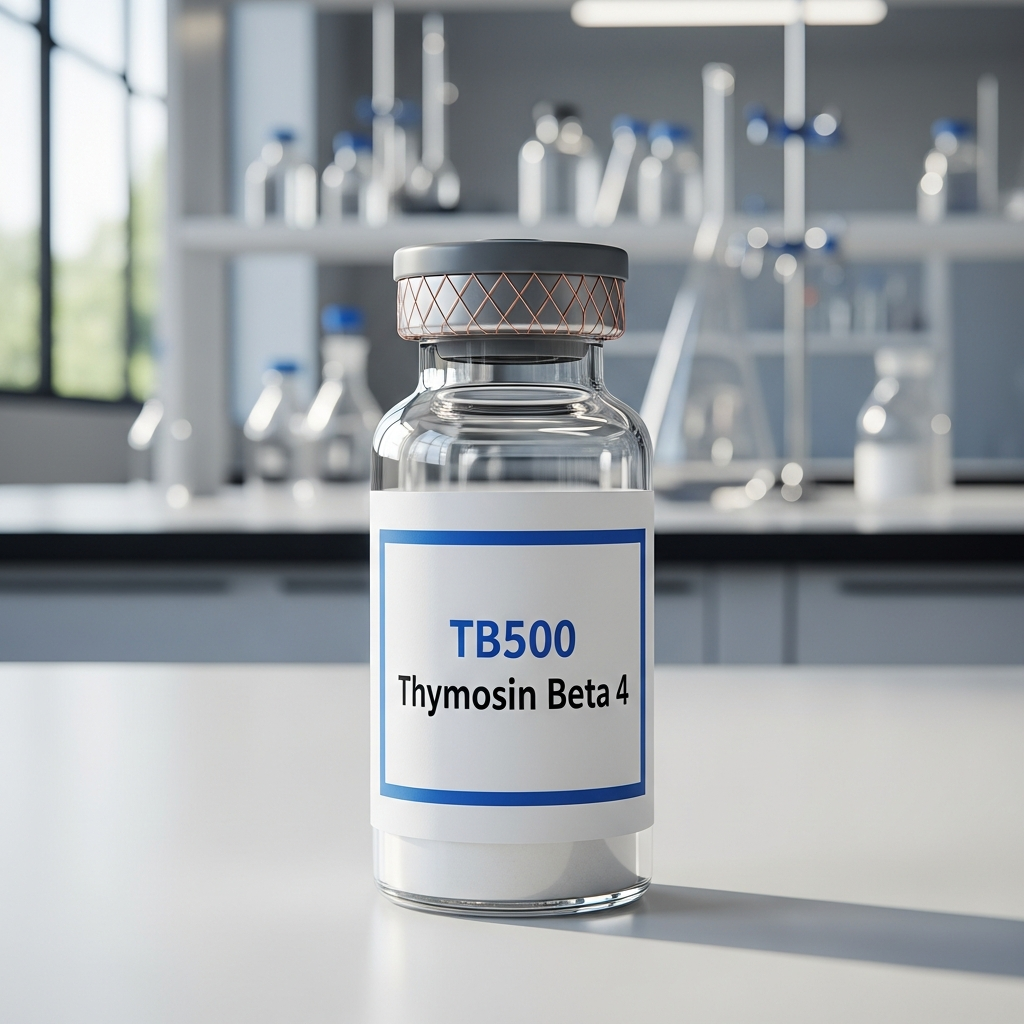
TB-500 (Thymosin Beta-4): The Complete Research Guide
A complete research guide to TB-500 (Thymosin Beta-4), covering its actin-regulating mechanism, angiogenesis and tissue-repair findings, how it compares to BPC-157, and what defines laboratory-grade quality. Written for global recovery and healing researchers sourcing verified, HPLC-tested material.
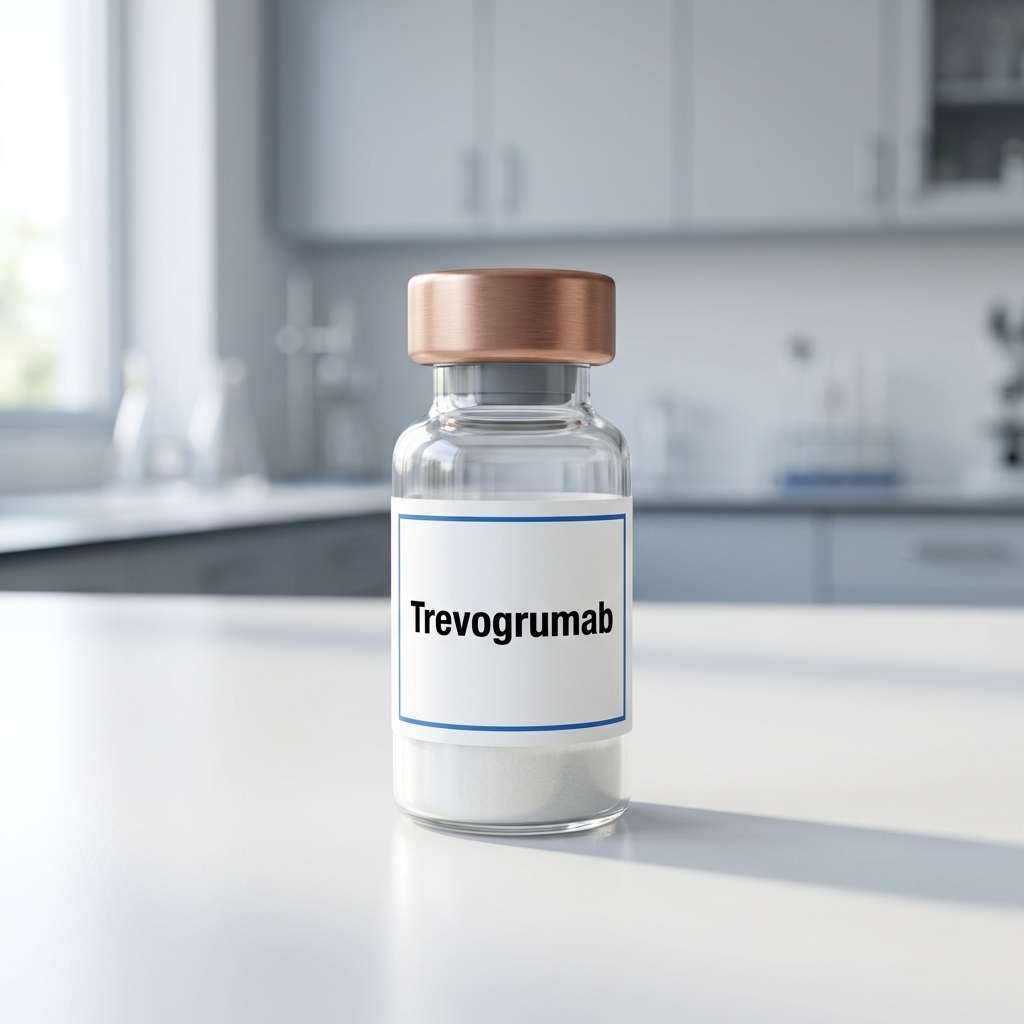
Trevogrumab vs Garetosmab vs Bimagrumab vs Apitegromab: The 2026 Myostatin Inhibitor Comparison
Four monoclonal antibodies, one pathway, four different points of attack. What trevogrumab, garetosmab, bimagrumab and apitegromab each bind, what the 2026 trial data shows, and how to choose between a ligand trap and a receptor blocker.