BPC-157 vs TB-500: Why Recovery Labs Use Both (And When a Blend Beats a Single Compound)
They do not do the same thing. They do adjacent things. Here is why recovery research protocols almost always stack them, and when a blend is the right call instead of two separate vials.
Disclaimer: This article is for educational and informational purposes only. It does not constitute medical advice. All products referenced are intended for research and laboratory use only and are not approved for human consumption.
BPC-157 vs TB-500: Why Recovery Labs Use Both
If you search for "BPC-157 vs TB-500" you will find two kinds of articles. The first treats them as rivals and tries to declare a winner. The second treats them as identical and tells you to pick whichever is cheaper. Both are wrong.
BPC-157 and TB-500 are not rivals and they are not identical. They are two different tools that happen to share a category label. The correct question is not which one is better. The correct question is which one fits your research model, and whether your model is actually better served by both at once.
This is the comparison done the way recovery labs actually think about it.
The thirty-second version
- BPC-157 is a 15 amino acid peptide fragment from a protein originally found in gastric juice. Its dominant mechanisms are angiogenesis and VEGF signaling, nitric oxide modulation, growth hormone receptor upregulation in connective tissue, and gut barrier support.
- TB-500 is a synthetic analog of Thymosin Beta-4 region 17-23, the bioactive fragment of a 43 amino acid protein. Its dominant mechanism is actin sequestration, which enables cell migration and broad tissue remodeling across muscle, skin, and vasculature.
- The two do not overlap. BPC-157 brings blood vessel growth and vascular signaling. TB-500 brings cell migration and tissue remodeling. Neither one alone does what both together do.
That is why serious recovery labs use them in combination, and why the BPC + TB blend is one of the most frequently reached-for items in the category.
Molecular identities side by side
| Feature | BPC-157 | TB-500 |
|---|---|---|
| Origin | Fragment of gastric protective protein | Synthetic analog of Thymosin Beta-4 fragment |
| Length | 15 amino acids | 7 amino acids (active region) |
| Molecular weight | 1419.5 Da | 889.0 Da |
| Stability class | High (acid-resistant) | High (solution-stable) |
| Primary mechanism | Angiogenesis, VEGF, NO | Actin sequestration, cell migration |
| Best documented tissue targets | Tendon, gut, vascular | Muscle, skin, vasculature |
| Research literature depth | Extensive | Established |
Mechanism, without the mush
Most comparison articles blur the mechanisms because the authors do not actually understand them. Here is the short version, strict to what the research supports.
BPC-157
BPC-157 does not act on a single dedicated receptor. It acts on multiple overlapping systems in an integrated way. The key ones are vascular growth factor (VEGF) upregulation, which drives capillary ingrowth into damaged tissue; nitric oxide modulation, which adjusts local perfusion and inflammatory tone; and growth hormone receptor upregulation in tendon and connective tissue, which makes those tissues more responsive to circulating growth factors. For the full mechanism breakdown, read the BPC-157 research guide.
TB-500
TB-500 works through a single well-characterized primary mechanism. It binds G-actin monomers and sequesters them, which regulates the actin polymerization dynamics that drive cell migration. Cell migration is the process by which fibroblasts, endothelial cells, keratinocytes, and stem-like cells move to a site of injury. By modulating this process, TB-500 supports broad tissue remodeling and repair. It also appears to influence inflammatory signaling and angiogenesis, but the actin sequestration effect is the one that is most tightly documented and is the reason labs reach for it.
The key point
BPC-157 supports the construction of new blood supply and the nitric oxide and growth factor signaling environment around a repair site. TB-500 supports the migration of the actual repair cells into that environment. Those are different jobs at different stages of the repair cascade. Running them together is not stacking for the sake of stacking. It is using two tools on two different parts of the same process.
When to use which
Use BPC-157 alone when
- Your research question is specifically about angiogenesis, VEGF pathway, or nitric oxide signaling.
- You are studying tendon or ligament repair where the growth hormone receptor upregulation is the mechanism of interest.
- Your model involves gastric or intestinal barrier function.
- You are replicating or extending an existing BPC-157 study and need to match the compound.
- Budget constraints require a single-compound protocol.
Use TB-500 alone when
- Your research question is specifically about cell migration, actin dynamics, or tissue remodeling kinetics.
- You are studying muscle injury models where the migration phase is the rate-limiting step.
- You are probing skin regeneration or dermal repair models.
- You are running a protocol that requires isolated TB-500 activity without BPC-157 confounds.
Use both when
- Your research model involves complex, multi-tissue injury where both angiogenesis and cell migration matter.
- You are investigating combined effects on recovery timelines in rigorous comparison designs.
- You want the most comprehensive repair support in a single protocol.
- You are building a longer-duration study where the complementary mechanisms are expected to compound over time.
The third case is the most common in recovery-focused labs and the reason the blend format exists.
Why the blend format exists
The BPC + TB blend is a premixed research-grade format that combines both peptides in a single vial at consistent ratios. Three reasons labs reach for it over two separate vials.
1. Dose consistency across a study
Two separate vials means two separate reconstitutions, two separate dose calculations, two separate injection points in the protocol. A single blend simplifies the logistics and reduces the risk of inter-subject variance caused by small reconstitution errors.
2. Lower total reagent cost
The blend format is typically priced below the equivalent purchase of two separate single-compound vials at the same total peptide mass. For multi-arm studies or larger samples, this matters.
3. Designed ratios
The blend uses a ratio that matches typical research protocols in the literature, which means you are not guessing at the combination ratio. If your study is based on a previous paper that used both peptides, matching a documented blend ratio is a reasonable default.
The bigger combinations
BPC and TB is the base combination. Two extensions show up frequently.
Add GHK-Cu for skin and collagen work
The GLOW healing blend adds GHK-Cu to the BPC and TB combination. GHK-Cu brings copper-mediated collagen signaling, skin repair, and anti-oxidative effects. For research models that include dermal repair, scarring, or skin quality outcomes, the GLOW combination is the extended version of the base blend.
Add KPV for gut-adjacent inflammation
The KLOW blend extends the GLOW combination with KPV, a small alpha-MSH fragment with anti-inflammatory properties. For models that involve inflammatory components alongside the repair process, KLOW is the most comprehensive blend in the category.
These are not "more is better" stacks. They are mechanism-matched combinations for specific research questions. Choose the blend that matches your model, not the longest compound list.
Practical research considerations
Reconstitution
Both peptides are supplied as lyophilized powders. The blend format uses a single reconstitution protocol for both compounds simultaneously. Standard bacteriostatic water, swirl gently, do not shake. The reconstitution calculator handles the math for the base BPC-157 dosing and can be adapted for blend work by treating the combined peptide content.
Storage
Both compounds are stable unreconstituted for long periods at cold storage. Reconstituted solution refrigerated and used within a practical window. Full details in the peptide storage guide.
Sourcing
The blend format multiplies the importance of proper sourcing because quality issues in either peptide compromise the whole study. Both compounds individually and the blend format must come with batch-matched HPLC, mass spec confirmation, and a real third-party COA. LyzeLabs publishes Janoshik reports for BPC-157, TB-500, and the blend separately. Run the COA verification routine before you buy.
Frequently asked questions
Is BPC-157 stronger than TB-500
The question is not well-formed because they do different things. BPC-157 is stronger at supporting angiogenesis and vascular tissue repair. TB-500 is stronger at supporting cell migration and broad tissue remodeling. Calling either one "stronger" overall is a category mistake.
Can I mix BPC-157 and TB-500 myself from separate vials
Technically yes, in research settings, though the premixed blend format exists specifically to eliminate the inter-reconstitution variance that hand-mixing introduces. For reproducible protocol work, the blend is the cleaner choice.
How do I know the ratio in a blend is correct
A real blend vial should come with a COA that documents the mass of each peptide present. If the blend is sold without a COA that breaks out both compounds, you are guessing at what is in the vial. LyzeLabs publishes both components' analytical data for every batch of the blend.
Is the blend format cheaper than buying separately
In most catalog structures, yes. A single blend vial is typically priced below the combined cost of two separate single-compound vials for the same total peptide mass. This is one of the reasons the format exists.
Can I add GHK-Cu or KPV to a blend on my own
The premixed GLOW and KLOW formats exist exactly for these extended combinations. For reproducible research, starting with a validated blend ratio is cleaner than building your own mix.
What is the molecular weight of TB-500
TB-500 is a 7 amino acid active fragment (LKKTETQ) with a molecular weight of approximately 889.0 Da. A real mass spec report on the compound should show a peak within tolerance of that number.
The takeaway
BPC-157 and TB-500 are not interchangeable and they are not rivals. They are two tools that address two different stages of the tissue repair process. If your research model only touches one of those stages, pick the matching compound. If it touches both, the blend format is almost always the right call because it simplifies the logistics, improves dose consistency, and aligns with how the research literature actually uses these peptides together.
Browse the BPC + TB blend, the GLOW extension with GHK-Cu, and the KLOW extension with KPV. Every batch tested, every report published, every vial matched to its COA.
This article is for research and educational purposes. All products sold by LyzeLabs are strictly for laboratory research and not intended for human consumption or therapeutic use.
Related Research Guides
BPC-157: The Research Peptide Every Recovery Lab Has on the Shelf
Fifteen amino acids, originally isolated from human gastric juice, and the single most reached-for peptide in tissue repair research. This is BPC-157 done properly.
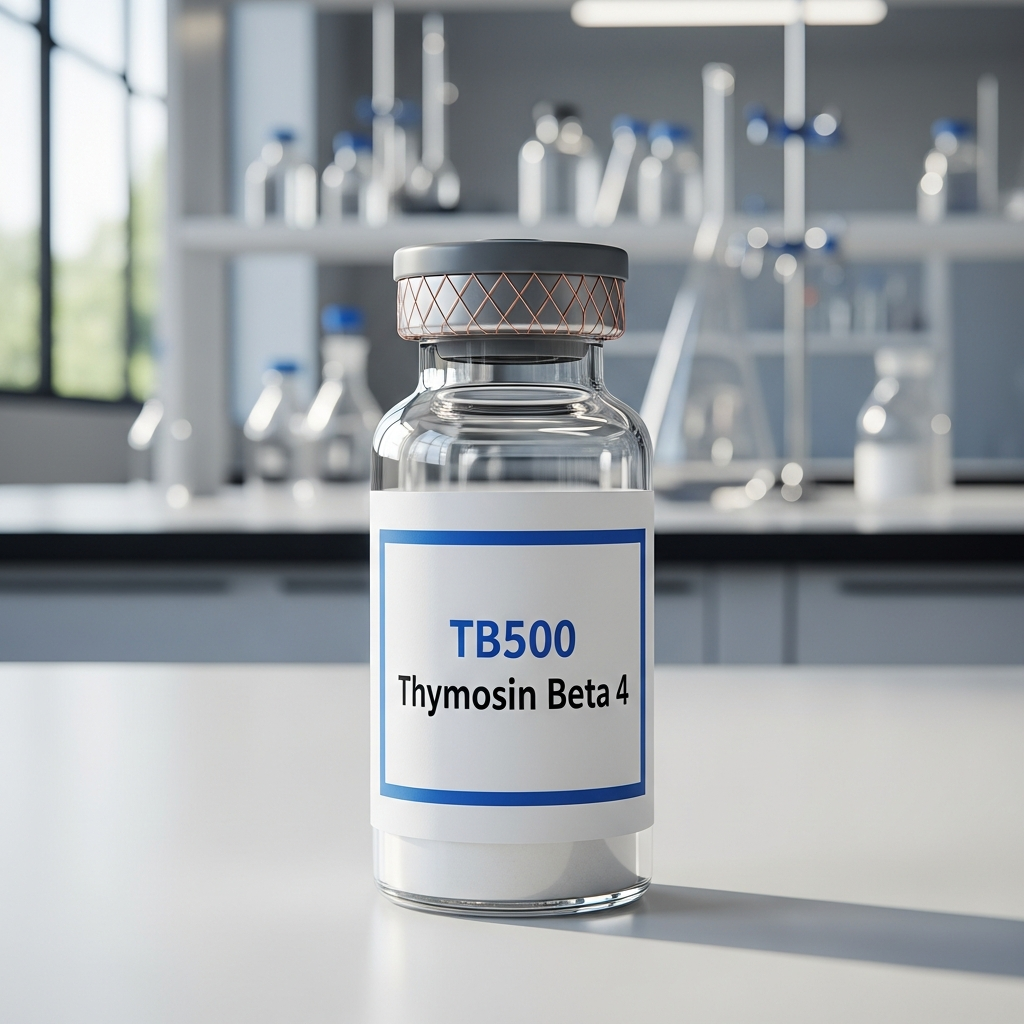
TB-500 (Thymosin Beta-4): The Complete Research Guide
A complete research guide to TB-500 (Thymosin Beta-4), covering its actin-regulating mechanism, angiogenesis and tissue-repair findings, how it compares to BPC-157, and what defines laboratory-grade quality. Written for global recovery and healing researchers sourcing verified, HPLC-tested material.
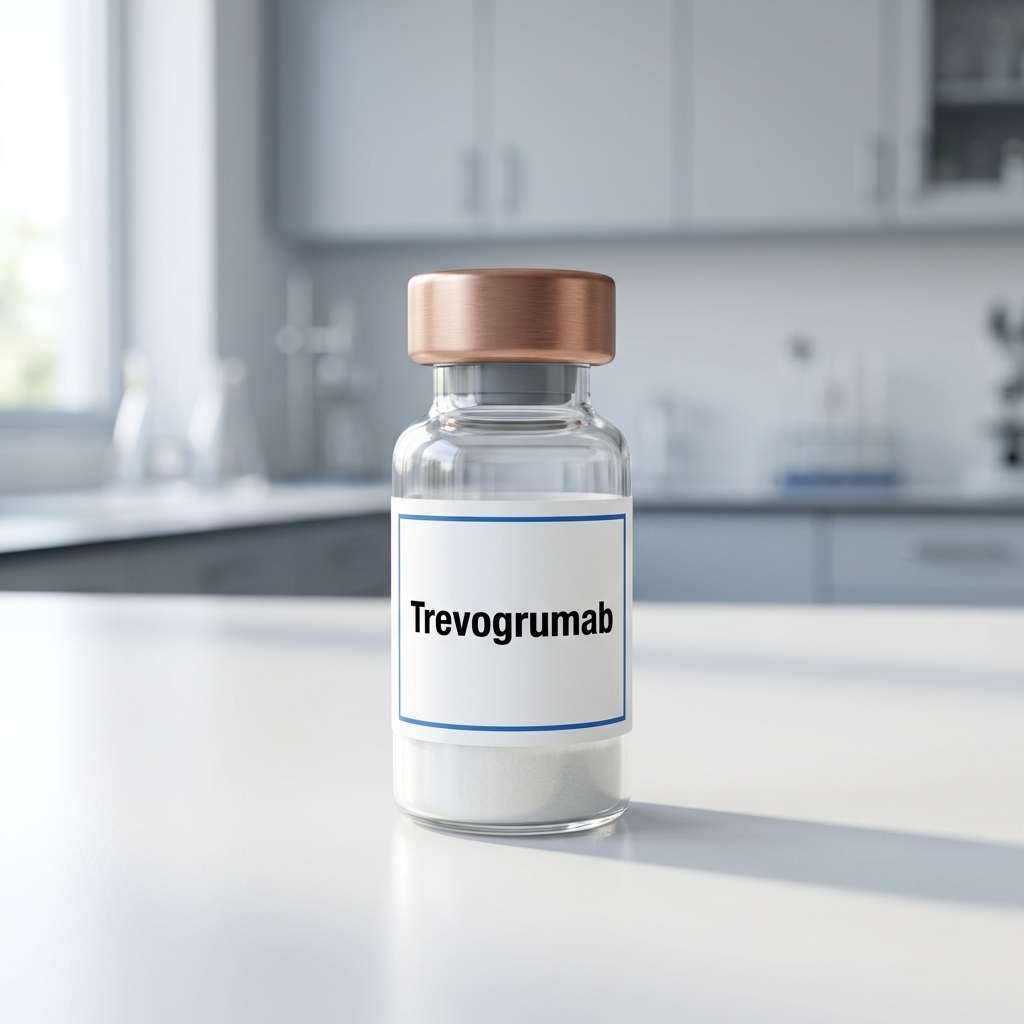
Trevogrumab vs Garetosmab vs Bimagrumab vs Apitegromab: The 2026 Myostatin Inhibitor Comparison
Four monoclonal antibodies, one pathway, four different points of attack. What trevogrumab, garetosmab, bimagrumab and apitegromab each bind, what the 2026 trial data shows, and how to choose between a ligand trap and a receptor blocker.